About PACS
Erasmus+ · Cooperation partnerships in vocational education and training (KA220-VET)

Professionals in Action for Crisis Situations – PACS
Profesioniștii în acțiune pentru situații de criză
Project code: 2024-1-RO01-KA220-VET-000252081 | Implementation period: 01.11.2024 – 31.10.2026 (24 months) | Grant: EUR 250,000
Coordinator: Asociația Club Sportiv Eco-Alpin (Romania) | Partners from Romania, Bulgaria and Hungary
▶ Video · October 2026 · Râșnov
PACS Final Event – Masterclass and Closing Conference
Highlights from the Masterclass organised by the Eco-Alpin Sports Club Association and from the project's closing conference.
Watch →Background and needs addressed
The current geopolitical context and the increasing frequency of emergency situations have highlighted the need for specialists and trainers prepared to intervene rapidly and in a coordinated manner. The partner organisations operate in fields where managing crisis and emergency situations is part of daily activities.
The preliminary analysis conducted at the partnership level revealed a lack of integrated training programmes adapted to current threats – ranging from natural disasters, pandemics, and economic or social crises to armed conflicts, hybrid warfare, the use of drones, or localised incidents.
The PACS project thus addressed the direct needs of the partner organisations' members, staff, and trainers:
- updating knowledge and practical skills for rapid and coordinated intervention;
- training a core group of instructors capable of teaching modern procedures;
- acquiring digital skills through the transfer of good practices among partners;
- developing and adapting techniques and procedures for the self-rescue and evacuation of persons with disabilities;
- expanding transnational and cross-sectoral cooperation.
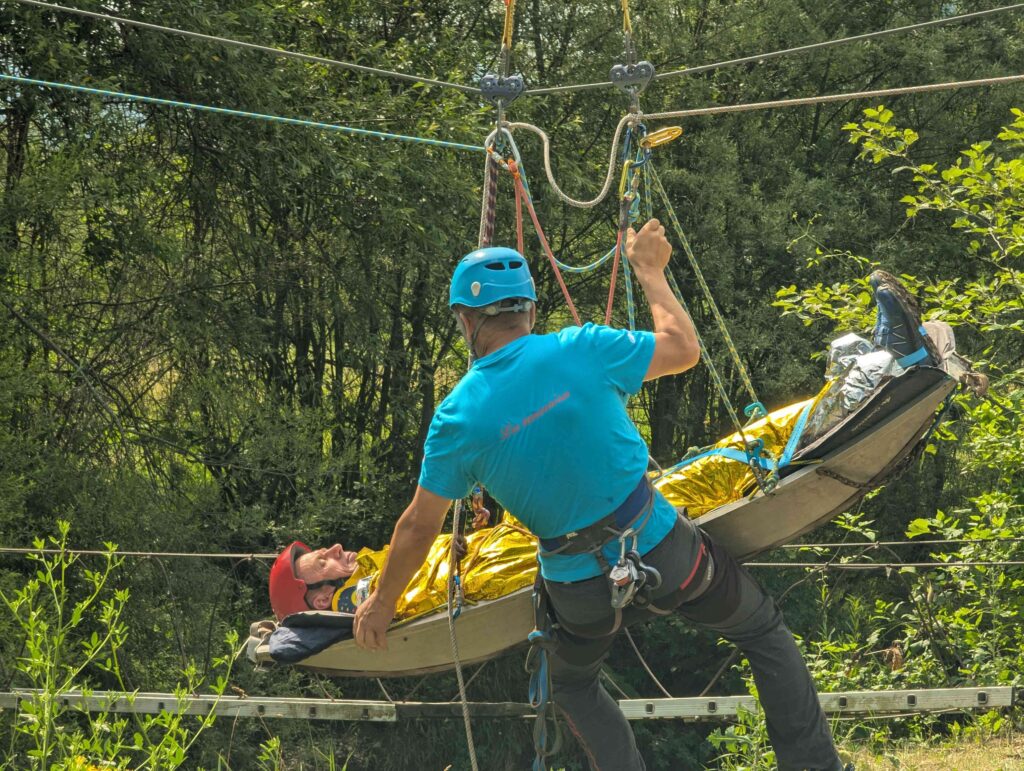
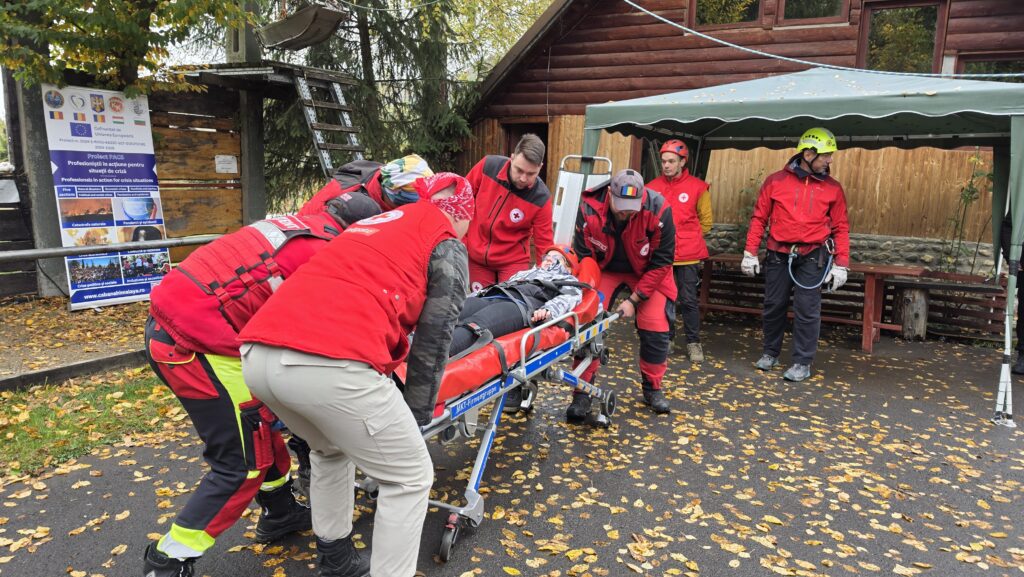
Practical exercise transporting a victim on a stretcher, carried out during the pilot course in Râșnov.
PACS was designed as a continuation and advanced-level development of the partners' previous initiatives. The project directly built on the results and experience of the Erasmus+ project „Tehnici și procedee de supraviețuire, trai și viață în situații de urgență” (Survival techniques and procedures for living in emergency situations, 2023-2-RO01-KA210-VET-000170137), implemented by Asociația Club Sportiv Eco-Alpin, as well as on the association's more than two decades of applied-utilitarian activities and survival camps. While the previous initiatives targeted basic skills for the general public (“in the event that”), PACS made the transition to the structured training of trainers and specialists (“when”).
Erasmus+ priorities addressed
- VET: Contributing to innovation in vocational education and training (most relevant priority)
- Horizontal: Addressing digital transformation through development of digital readiness, resilience and capacity
- Horizontal: Inclusion and diversity in all fields of education, training, youth and sport
Main topics
- Inclusion, promoting equality and non-discrimination
- Creating new, innovative or joint curricula or courses
- Disaster prevention, preparedness and recovery
Project objectives
Through the implementation of the PACS project, the partnership aimed to develop the organisational and professional capacity to respond to emergency and crisis situations. The main objectives were:
Raising the partner organisations' awareness of the integrated approach to crisis situations.
Improving the professional skills of the partner organisations' staff/members to intervene in current crisis situations.
Increasing the quality of the crisis management training programmes offered to learners.
Developing the organisational capacity to cooperate transnationally and across sectors to provide a tailored response to different crisis situations requiring diverse skills.
The results achieved demonstrate the full accomplishment of the four objectives set out in the application form. The partnership also aimed for the project results to remain usable after its completion: trained individuals passing on the acquired knowledge, and organisations having a common methodology, procedures, and practical resources, including for supporting persons with disabilities.
The project journey
The project took place over 24 months and its activities were structured into four work packages: WP1 – Project Management, WP2 – Integrated course for crisis management, WP3 – Guide for effective action and good practices in crisis situations and WP4 – Masterclass sessions. The main stages of implementation are presented below.
NOVEMBER 2024
Project launch and opening conference
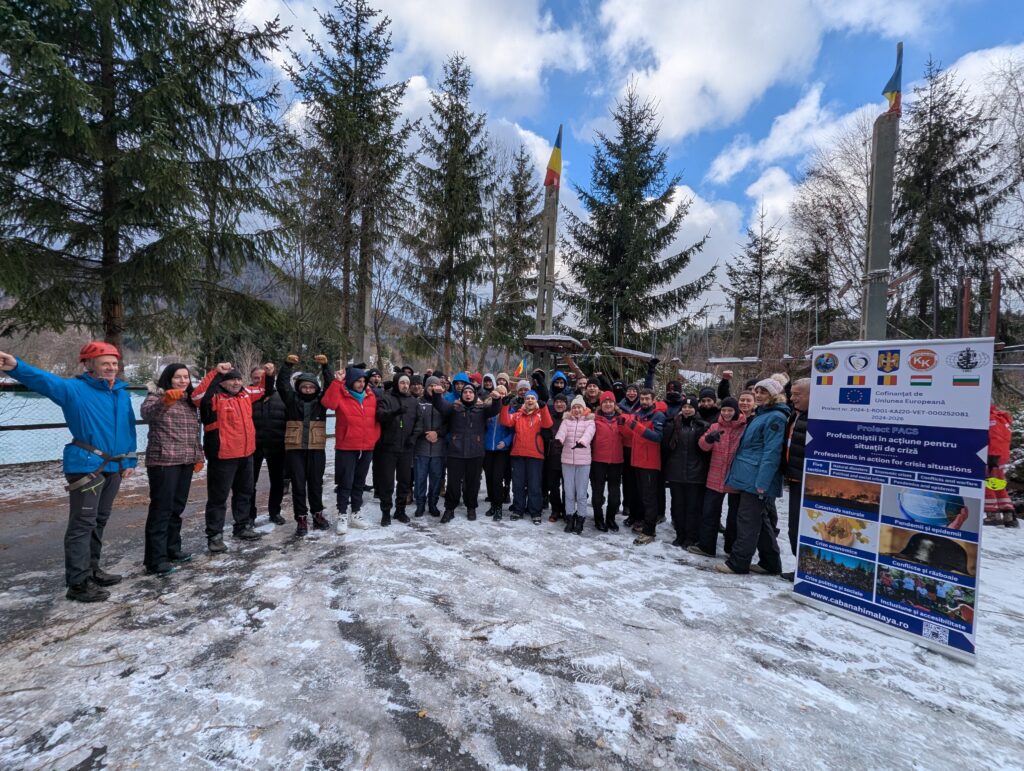
The project started with the development of the Management Manual, which established the framework for planning, monitoring, evaluation, risk management and quality assurance, including the detailed implementation plan and the Gantt chart. Throughout the project, communication between partners was supported by transnational meetings and online meetings.
The opening conference took place in Râșnov on 23.11.2024, with 43 participants. Feedback was particularly positive: 88.2% of participants gave the maximum score (10/10).
DECEMBER 2024 – JULY 2025
Training needs analysis and development of the methodologies
The scientific and curricular foundation started from the transnational training needs analysis, based on questionnaires applied to 177 respondents from Romania, Bulgaria and Hungary. The results highlighted interest in preparation for military conflict and natural disaster situations, as well as for survival in mountain areas, and underpinned the selection of topics and the structure of the course.
The Nikola Vaptsarov Naval Academy coordinated the development of the Methodology for Developing the Integrated Course (December 2024 – March 2025), and Asociația Club Sportiv Eco-Alpin developed the Methodology for Developing the Guide (April – July 2025), which set out the objectives, structure, partner responsibilities, timeline and quality assurance mechanisms. During the transnational meeting in Râșnov (February 2025), responsibilities were allocated and detailed.
OCTOBER 2025
Intervention and rescue adapted to persons with disabilities in crisis situations (earthquake and fire)
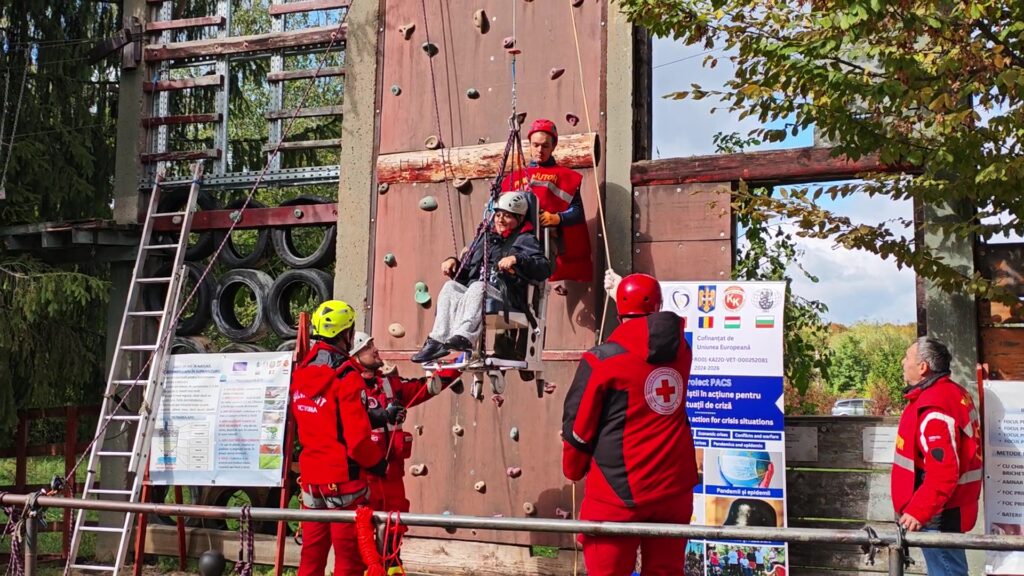
This practical activity, organised in Râșnov by Asociația Club Sportiv Eco-Alpin and APDF, gave specialists the opportunity to test ways of adapting intervention procedures to the needs of persons with disabilities, and gave participants the opportunity to practise concrete self-protection measures and cooperation with rescue teams in emergency situations.
30 persons with disabilities and companions took part, together with 13 trainers and crisis management specialists. All 26 respondents reported acquiring useful practical skills in first aid, immobilisation and transfer of injured persons, improvising emergency equipment and communication in critical situations.
APRIL 2025 – APRIL 2026
Development of the Integrated Course and Guide content
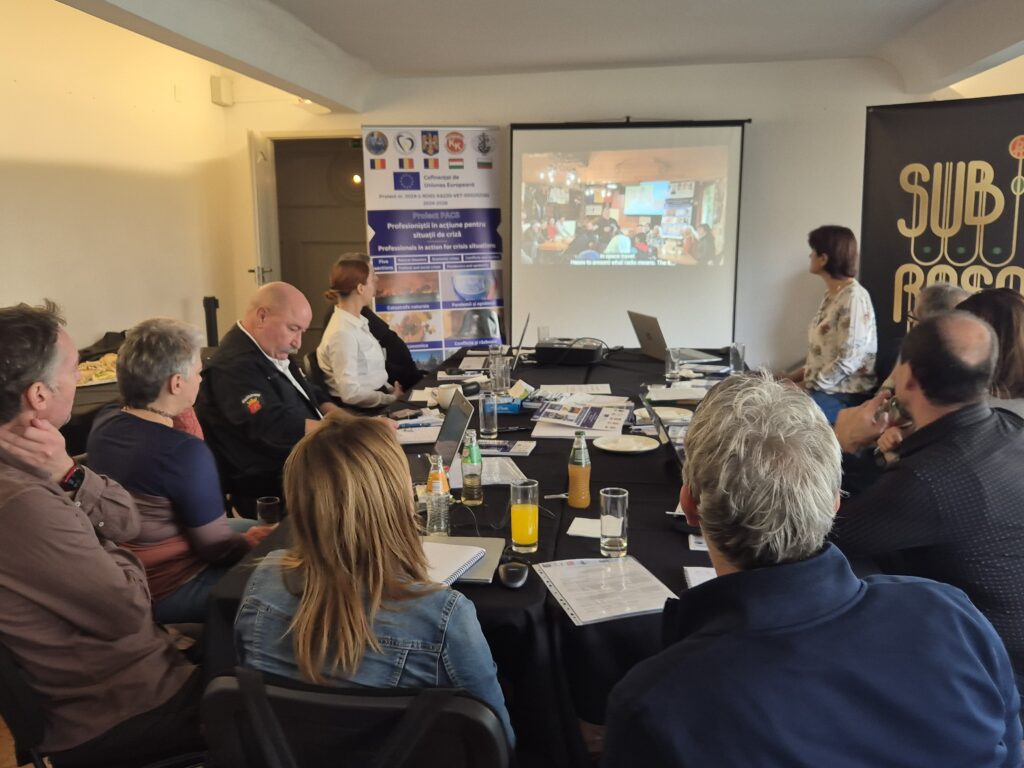
Between April 2025 and February 2026, the partners developed educational materials, tactics, techniques and operational procedures for various risk scenarios, such as earthquakes, floods, forest and ship fires, water evacuations or search-and-rescue operations with drones (UAV), including adaptations for situations involving persons with disabilities. Specialists from the associated partner AORR and from public institutions with emergency management responsibilities were consulted to ensure the professional soundness of the materials.
The curricular structure was extended from five to six thematic modules by introducing a separate module dedicated to persons with disabilities.
During the transnational meeting in Miskolc (October 2025), organised by Kandó, responsibilities for the Guide were detailed at chapter and sub-chapter level, including the topics and the partners responsible for the video materials. The Guide content was developed between August 2025 and April 2026, with contributions from 25 specialists of the partner organisations.
JANUARY – FEBRUARY 2026
Simulation and testing of intervention techniques in crisis situations caused by natural disasters
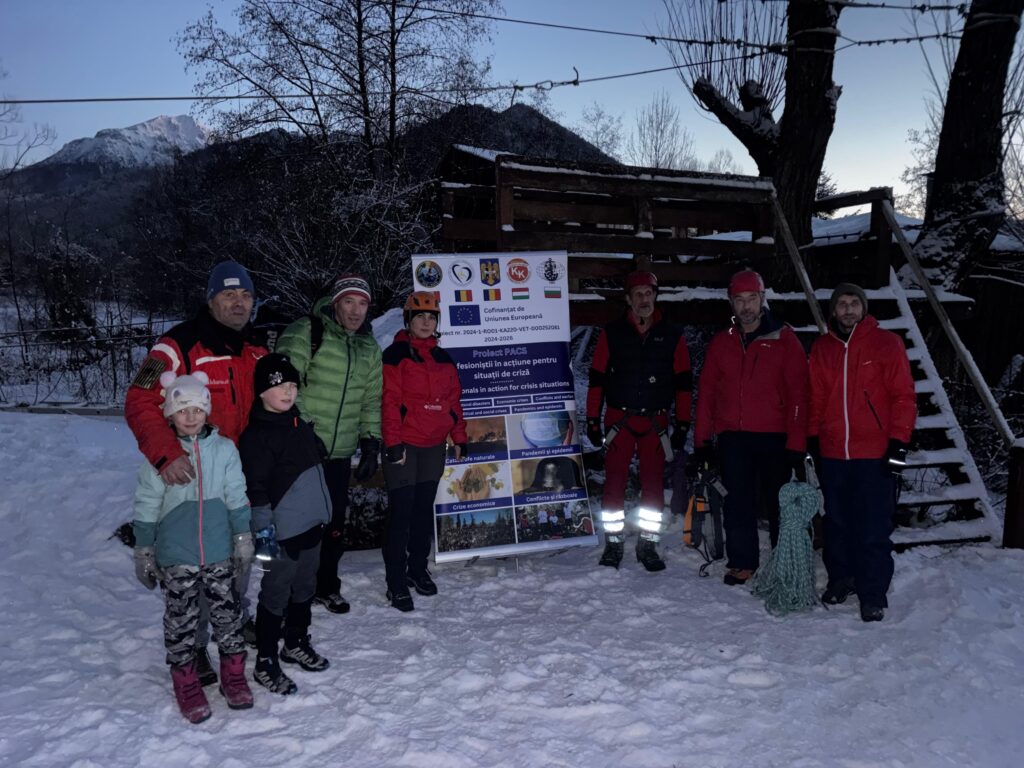
In January and February 2026, Asociația Club Sportiv Eco-Alpin organised two activities for simulating and testing intervention techniques in crisis situations caused by natural disasters, with specialists from the target group (mountain rescuers, Red Cross representatives, military reservists and reserve military personnel) and volunteer participants, who supported the simulations by playing the role of persons at risk requiring intervention and rescue.
The activities brought together 66 participants: 18 specialists and 48 volunteers. The exercises allowed the practical testing of intervention techniques and the assessment of their applicability in realistic scenarios.
MARCH 2026 · VARNA, BULGARIA
Masterclass BG
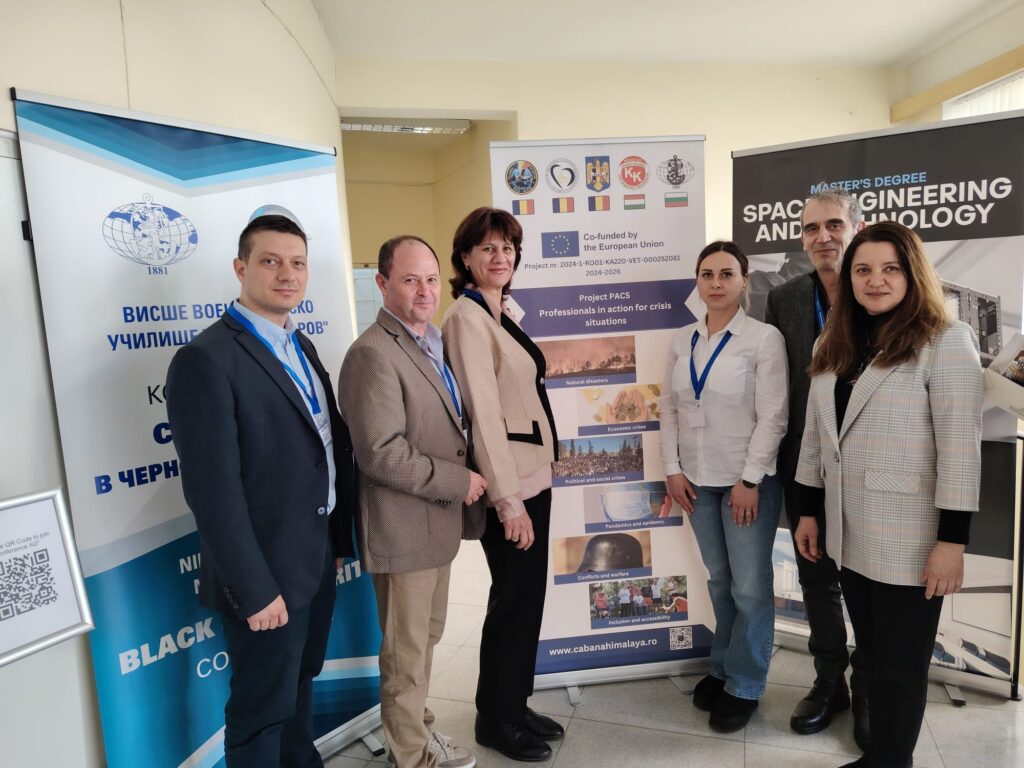
Organised by the Nikola Vaptsarov Naval Academy (NVNA), the Masterclass was integrated into NVNA's annual conference on national security and brought together 36 participants from 7 countries: Bulgaria, Ukraine, Romania, Norway, Turkey, Switzerland and Germany. The programme progressed from the general framework of crisis management and survival strategies to specialised topics on sea survival, emergency abandonment of a ship and a helicopter, conflict situations and the use of mini-drones in enclosed spaces.
The evaluations confirmed the quality of the activity: the exchange of experience scored an average of 9.5/10, the quality of presentations and usefulness of methods 9.4/10, and practical relevance 9.3/10. The results were disseminated scientifically through a paper presented at the International Conference on Black Sea Security – 2026.
APRIL 2026 · VARNA, BULGARIA
Training of Trainers (ToT)
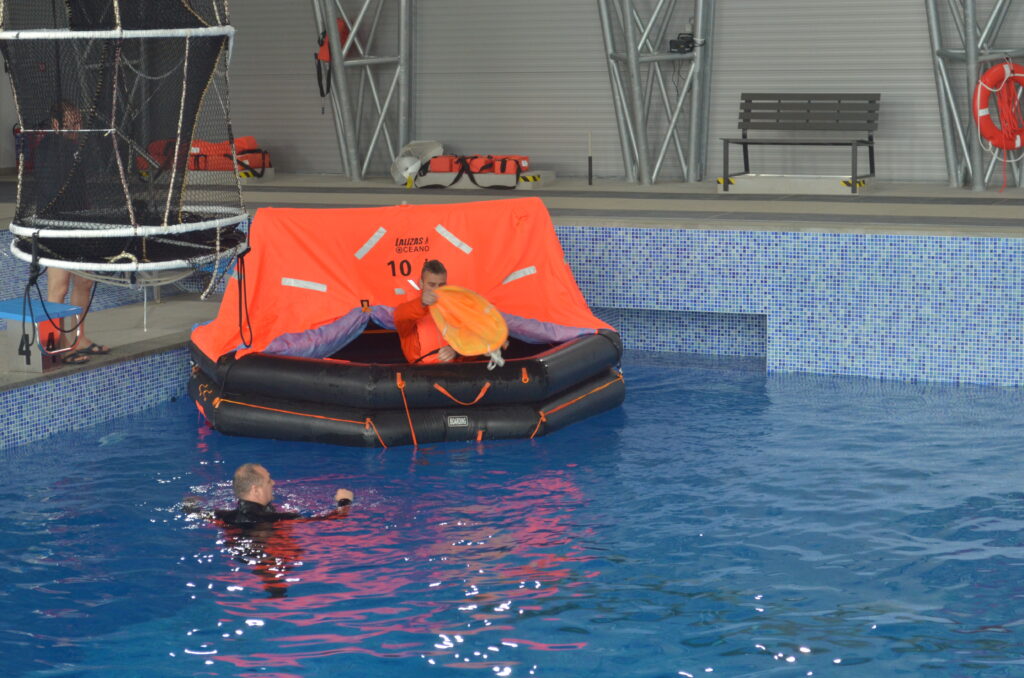
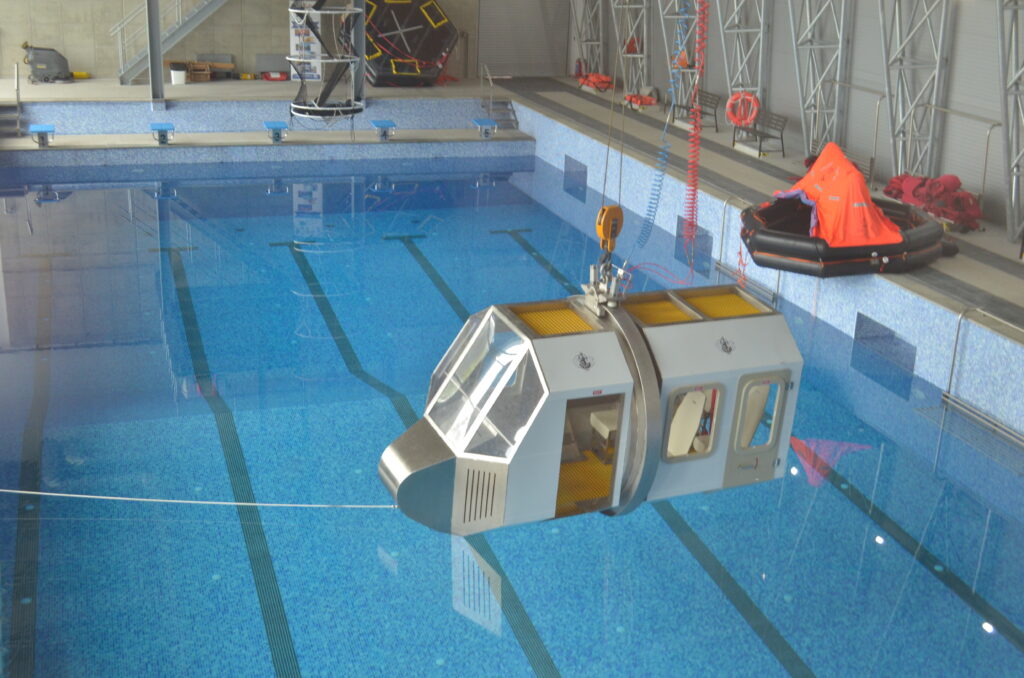
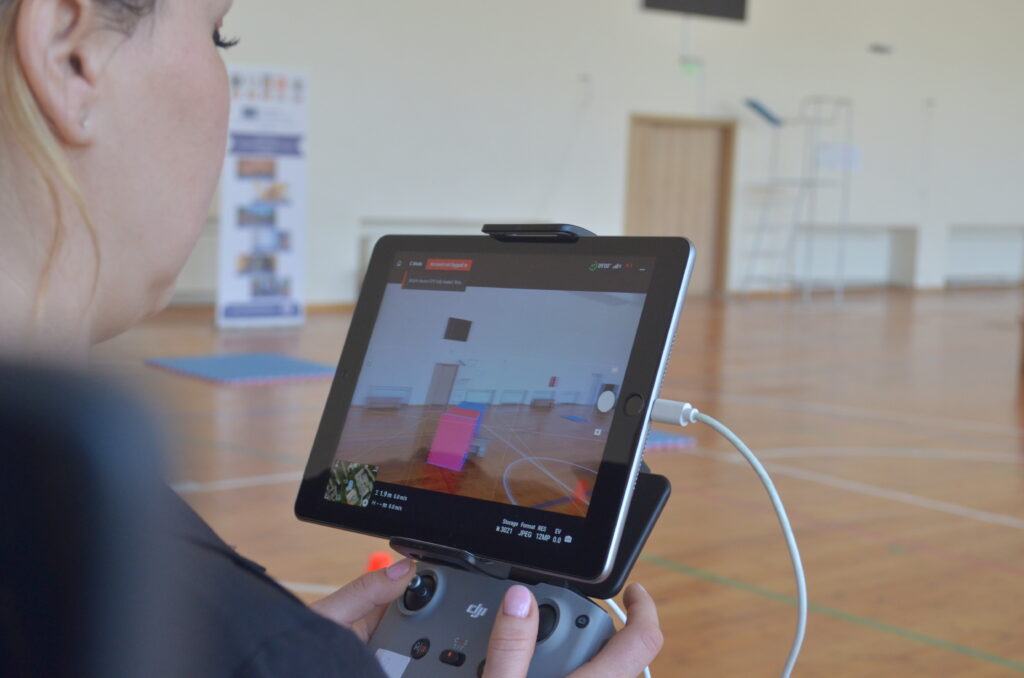
The Training of Trainers took place over six days at the NVNA Maritime Rescue Centre and training ground, with 30 participants: 5 representatives of Asociația Club Sportiv Eco-Alpin, 3 of Kandó and 22 from Bulgaria – NVNA teaching staff and instructors and staff from maritime training centres, as well as representatives of port security and the maritime administration.
The activities combined the presentation and demonstration of procedures with supervised practical exercises, role rotation and structured debriefing sessions, targeting the operational and pedagogical competences needed for intervention in firefighting, sea survival and the use of drones in search-and-rescue operations, as well as for organising and facilitating practical exercises. Approximately 96% of respondents rated the content and overall organisation as excellent, and over 90% stated that they feel prepared to use the acquired competences in practice.
MAY – SEPTEMBER 2026
Testing and review of the Guide
Quality assurance of the Guide was carried out in line with its development methodology, focusing on the accuracy of information, compliance with legislation and good practice, and the coherence, clarity, relevance and applicability of the recommendations. Technical experts appointed by the partners contributed to reviewing the content through peer review.
At NVNA in Varna, the preliminary version of the Guide was tested through focus groups with teaching staff, master's and doctoral students, and maritime professionals. Practical validation also included testing four thematic sheets during a practical workshop organised by Asociația Club Sportiv Eco-Alpin in Râșnov in September 2026: all 8 participants appreciated the technical accuracy, clarity of wording and applicability of the recommendations in real conditions. The feedback collected was integrated into the final version of the Guide.
JUNE – SEPTEMBER 2026 · RÂȘNOV, ROMANIA
Pilot training course and course review
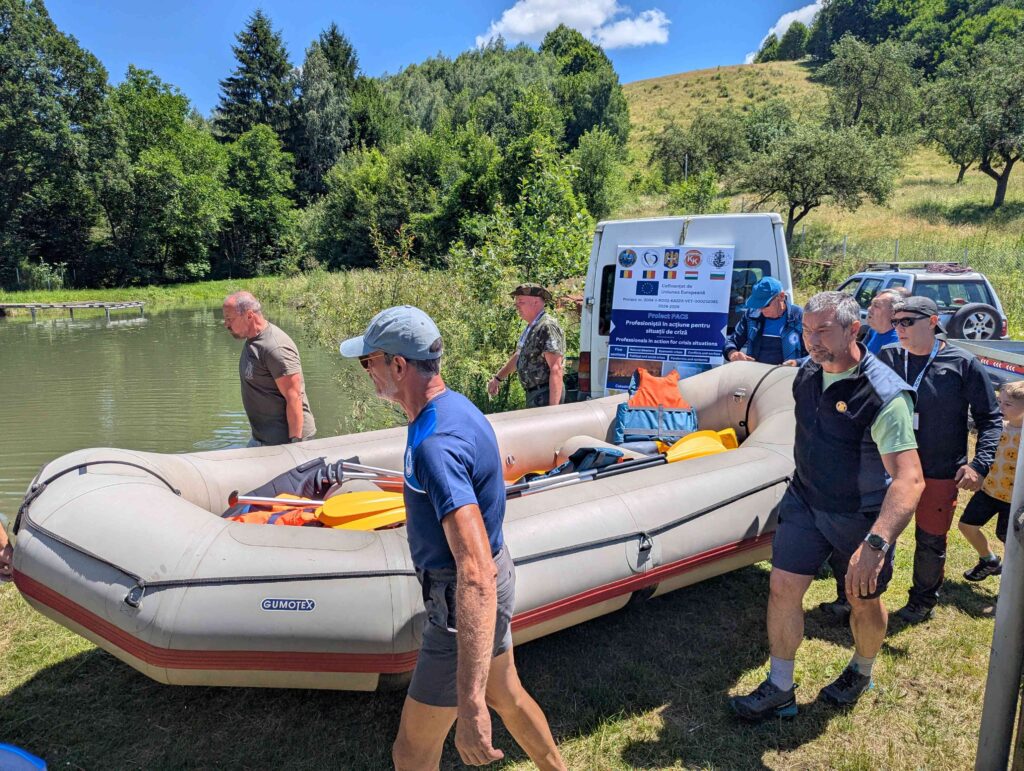
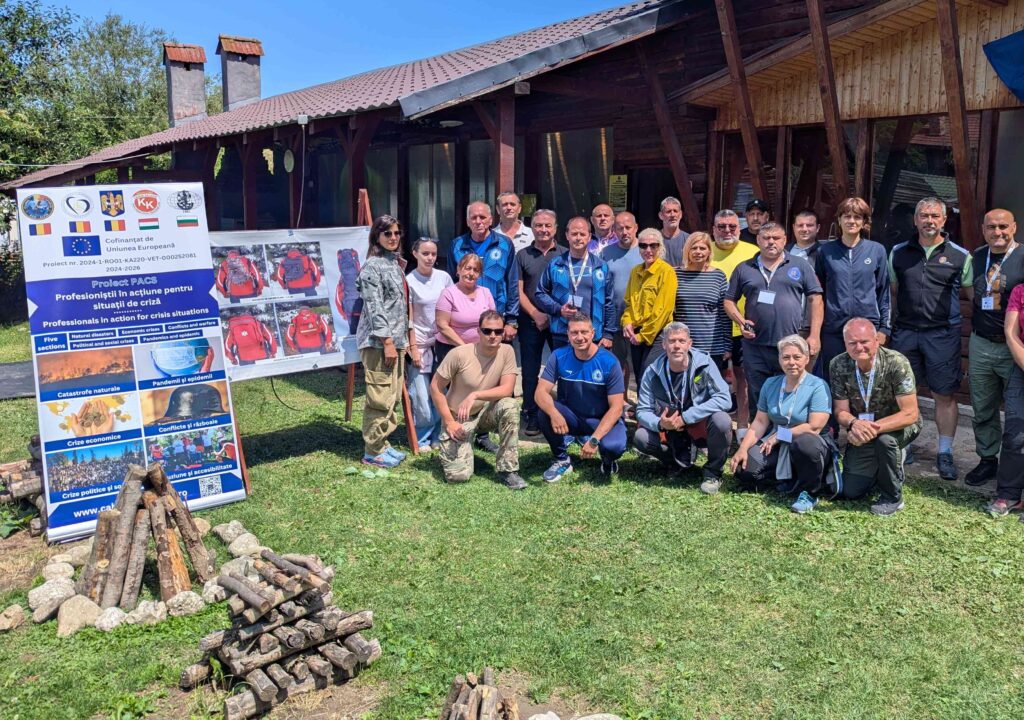
The Integrated Course was tested in a six-day pilot course organised at the Mountain Training Centre of Asociația Club Sportiv Eco-Alpin in Râșnov, in a blended format combining theoretical preparation and online activities with face-to-face exercises, simulations and practical applications. The activities aimed at consolidating competences in recognising and managing crisis situations, applying procedures suited to different scenarios in mountain and aquatic environments, and using an integrated and inclusive approach to intervention.
33 persons took part: 3 NVNA representatives, 3 from Kandó and 27 from Romania (APDF, AORR, Asociația Club Sportiv Eco-Alpin) – reserve military personnel, mountain rescuers, first aid specialists, teachers and instructors experienced in crisis management. All respondents confirmed an increased capacity to intervene in real crisis situations, 87% gave the maximum score to the quality of the educational materials, and 91.3% confirmed an increased awareness of the integrated approach to crisis situations.
AUGUST 2026
Masterclass HU
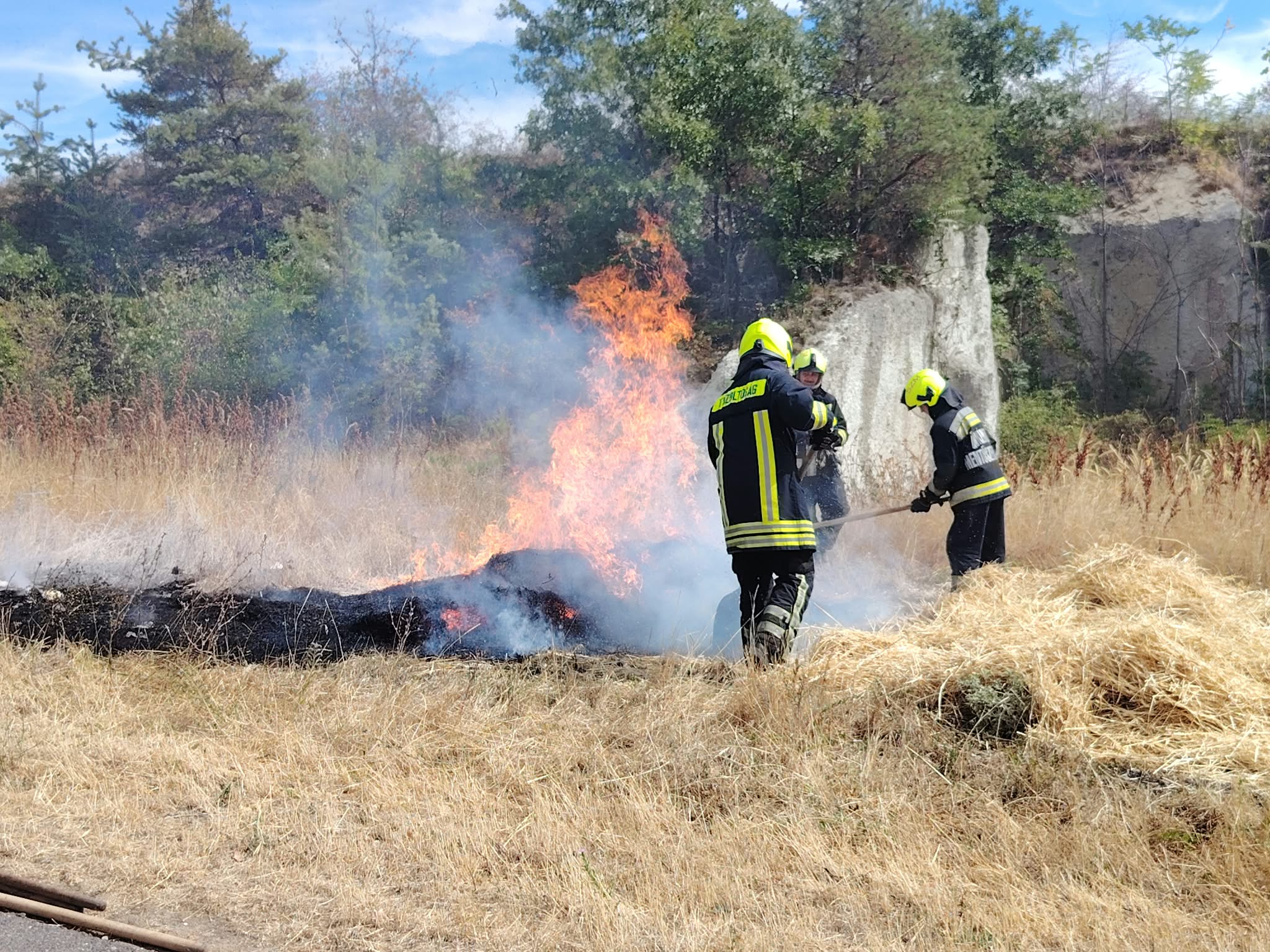
Masterclass HU, organised by Kandó in Miskolc – Szomolya, had a predominantly practical and applied approach, focusing on the integrated management of crisis situations, in particular forest fires. 20 persons took part: 10 Kandó representatives, 7 members of the Szomolya Volunteer Firefighters Association and 3 representatives of Asociația Club Sportiv Eco-Alpin. The methodology combined professional presentations, video materials produced by Hungarian firefighters, trainer demonstrations, practical exercises and scenario-based simulations. 88.9% of respondents gave the programme the highest rating.
SEPTEMBER 2026 · RÂȘNOV
Masterclass RO, dedicated to persons with disabilities
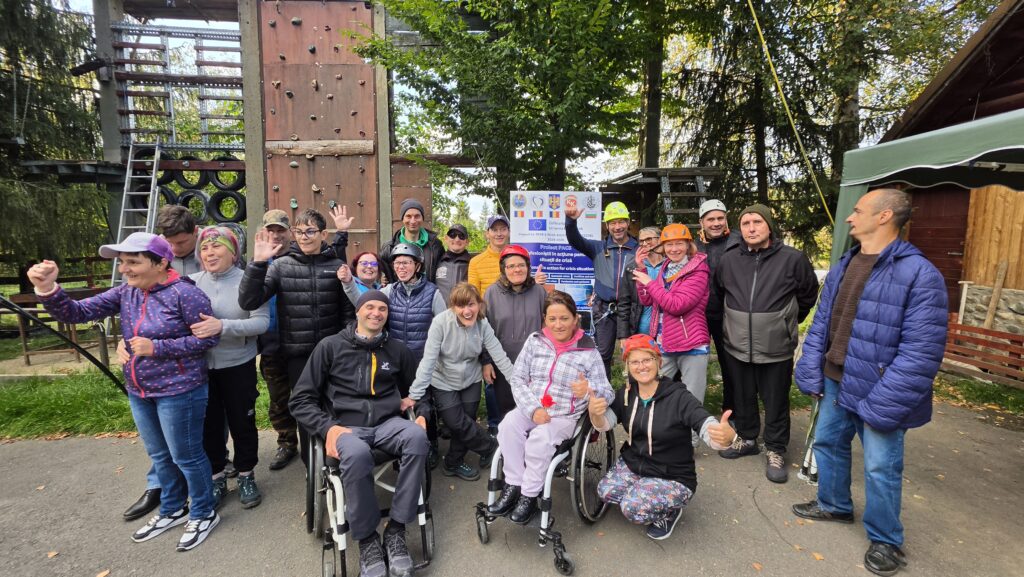
The Masterclass organised by APDF for the community of persons with disabilities (27 participants) was built as a single integrated scenario – from aerial observation and radio communications to the search for a missing person in the forest (first aid, evacuation and rescue) and debriefing. Over 70% of the time was allocated to practical activities. 85% of respondents indicated that the activities helped them a lot or very much to know how to act in emergency situations, and 100% would recommend the workshop.
▶ APDF Masterclass video
APDF Masterclass – Integrated Crisis Management for Persons with Disabilities
Watch →OCTOBER 2026 · RÂȘNOV
Final event: Masterclass and closing conference
The PACS final event brought together 74 participants from Romania (67), Hungary (5) and Bulgaria (2), representing intervention and rescue organisations, military structures, public institutions, organisations of persons with disabilities, radio amateur associations, and sports and professional organisations. The Masterclass included sessions on leadership and decision-making in crises, drone use, technical equipment, emergency interventions and fire management, as well as two exercises developed in the project: rescue from height of a person with disabilities in the event of a building fire and use of radio communications when infrastructure is not functioning.
The closing conference presented the objectives, results and lessons learned, ending with discussions on the exploitation of results and the development of an integrated community response. The final transnational meeting of the partnership was also held in Râșnov. 97.8% of respondents declared themselves very satisfied or satisfied, and 95.7% considered the PACS materials very or extremely useful.
Project results
The implementation of the PACS project generated a coherent set of educational, digital and operational results, validated in practice and adapted to the needs of the target groups.
Main output · WP2
Integrated Course for Effective Crisis Management
A 42-hour training curriculum (10 hours of theory and 32 hours of practice), structured into an introductory section and six thematic modules (over 350 pages and approximately 60 pages of annexes with assessment tools), adapted also for persons with disabilities.
The introductory section on survival fundamentals is followed by thematic modules dedicated to:
- natural disasters;
- armed conflicts;
- economic crises;
- political and social crises;
- pandemics;
- interventions adapted to persons with disabilities.
Operational tool · WP3
Guide for Effective Action and Good Practices in Crisis Situations
A 260-page educational resource featuring 77 practical sheets (operational, technical, mixed and conceptual), standardised across three intervention levels and provided with unified visual codes for rapid orientation in emergency situations. Its structure starts from two essential chapters – “Survival fundamentals in crisis situations” and “Essential skills for survival in crisis situations” – and continues with sheets specific to the six modules of the course. The Guide complements the Course and is the operational tool for the concrete application of the knowledge acquired.
CRITICAL ESSENTIAL COMPLEMENTARY
25 specialists of the partner organisations contributed to the development of the Guide.
Three educational videos
- Practical exercises on emergency communications, intervention, rescue and evacuation of victims, including persons with disabilities, in mountain and urban environments;
- Practical exercises on the intervention, evacuation and abandonment of a ship and a helicopter in the maritime environment;
- Practical exercises on the use of equipment and firefighting intervention, including vegetation fires.
Development methodologies
The Methodology for Developing the Integrated Course and the Methodology for Developing the Guide underpinned the development of the two main results, providing the partner organisations with a common methodology that can be replicated.
PACS online platform
Developed in addition to the budget, the platform (studiu.clubsportiveco-alpin.ro) provides free access, without authentication, in Romanian and English, to the Integrated Course, the Guide and the video materials. A free account is required only for the discussion forum, the feedback questionnaire and individual progress tracking.
In addition, the project trained a core group of trainers and over 300 participants through training activities (the Training of Trainers, the pilot course, the additional practical activities and the four Masterclass events), contributing to the development of practical intervention skills, increased awareness, the inclusion of persons with disabilities and strengthened transnational cooperation. Participant evaluations confirmed the quality of the activities, with satisfaction rates above 90%. To recognise their involvement and the competences acquired, the partner organisations issued participants with certificates of participation at institutional level.
Inclusion of persons with disabilities
The project integrated accessibility both in the design of the educational materials and in the delivery of the practical activities, with the direct support of the partner APDF and of persons with disabilities involved as experts and participants. Both the Integrated Course and the Guide include a module and sheets dedicated to self-rescue procedures, accessible communication, assisted evacuation and intervention for persons with disabilities.
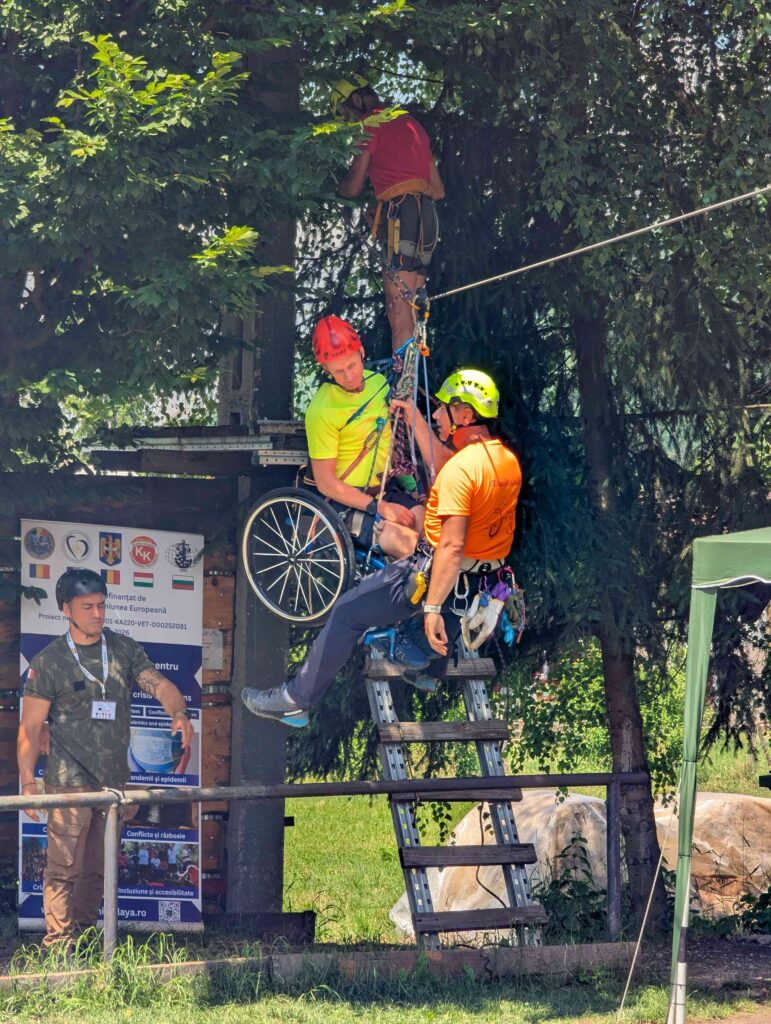
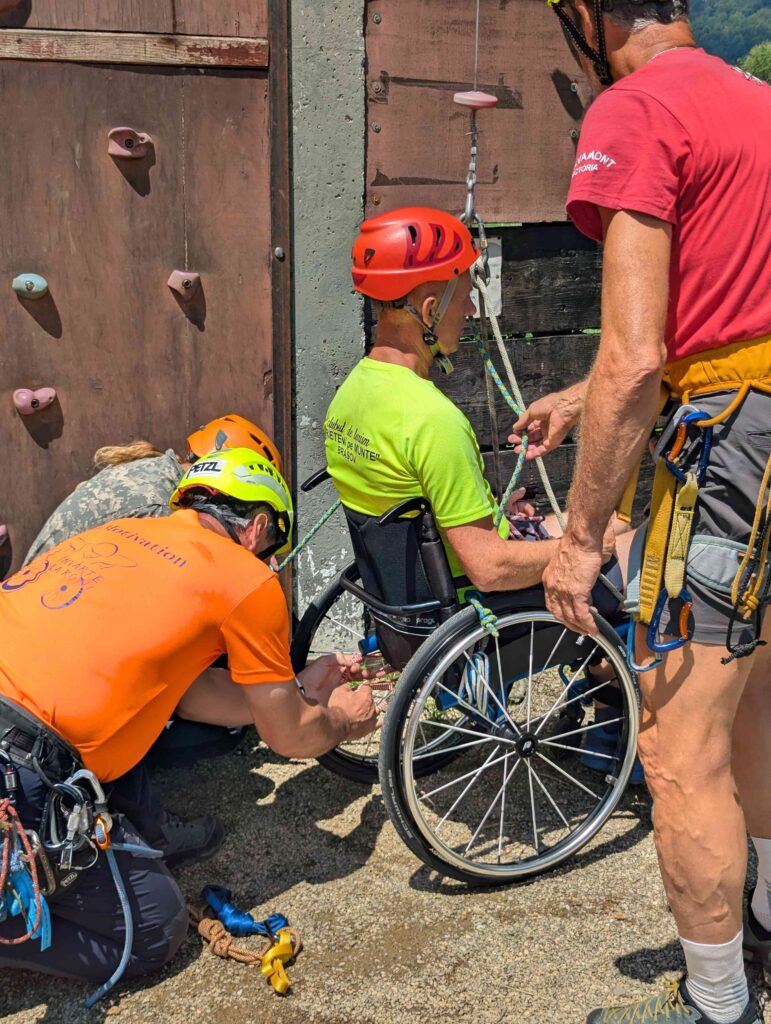
Venues and equipment were adapted: radio stations with tactile buttons, amplified headsets, written duplication of essential messages and a special device that lifts the wheelchair to the height of the first or second floor, reproducing the scenario of evacuation from height by a rescue climber.
A remarkable impact was recorded among persons with disabilities and their companions, who moved from the passive status of vulnerable persons to that of active members of the intervention team, learning how to protect themselves, communicate effectively and cooperate with rescuers during evacuation.
Impact and visibility
European level. The project was publicly highlighted by Roxana Mînzatu, Executive Vice-President of the European Commission, in the #ComisarulOamenilor campaign, as an example of how Erasmus+ creates networks of professionals capable of acting in a coordinated manner in crisis situations. The results were promoted in the National Agency's ANews bulletin and in an article on the EPALE platform blog.
International level. The project was presented in Bucharest at the NATO Young Reserve Officers Workshop (YROW), on the agenda of the joint CIOR–CIOMR–CISOR Congress (over 500 participants from 25 states), to 73 young reserve officers and experts from 12 countries, focusing on the transferability of the civil-military cooperation (CIMIC) model and of inclusive training; participants asked 8 specific questions on course accessibility and the multiplication of results. The results were disseminated scientifically at the International Scientific Conference of the Ecological University of Bucharest (6th edition, 2025, and 7th edition, 2026), at the International Conference on Black Sea Security – 2026 and in the Maritime Scientific Forum journal (October 2026).
Local and regional level. In the communities of Romania (Râșnov, Brașov, Bucharest), Bulgaria (Varna region) and Hungary (Miskolc, Szomolya), the project contributed to increasing community resilience and strengthening operational cooperation between civil society, educational institutions and intervention structures. The project was presented directly to more than 38 representatives of relevant institutions.
Media. The partner NVNA made over 15 posts through institutional channels and the national and regional press in Bulgaria, reaching an estimated audience of 350,000–450,000 people.
The partnership
Coordinator · Romania
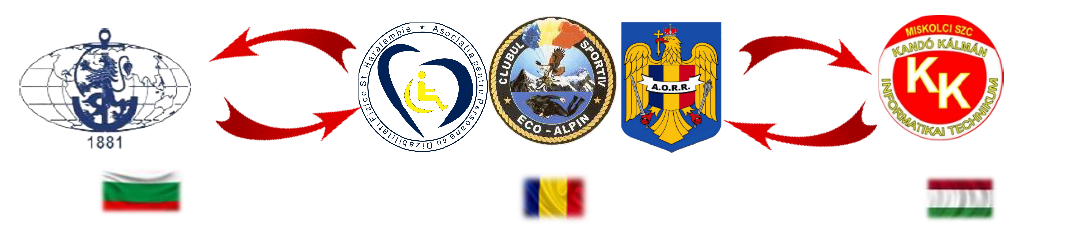
Asociația Club Sportiv Eco-Alpin (CSEA), Râșnov
Overall project management, coordination of the needs analysis and of the Guide, development of the PACS platform, the pilot course and the final event.
Partner · Bulgaria
Nikola Vaptsarov Naval Academy (NVNA), Varna
Coordination of the course methodology, specialised content on maritime safety, the Training of Trainers, safety protocols for high-risk activities and Masterclass BG.
Partner · Hungary
Miskolci SZC Kandó Kálmán Informatikai Technikum, Miskolc
Content on floods, fires, the use of drones and digital competences; the transnational meeting in Miskolc and Masterclass HU.
Partner · Romania
Association for Persons with Physical Disabilities “Sf. Haralambie” (APDF)
Adaptation of the content, procedures and practical exercises to the needs of persons with disabilities; the Masterclass dedicated to their community.
Associated partners: the Romanian Reserve Officers Association (AORR), Bucharest – involved in the needs analysis, the substantiation and review of deliverables, and the training, testing and dissemination activities in Romania; the Civil Protection Department of Varna Municipality (Bulgaria) – involved in the training activities and the Masterclass in Bulgaria.
Sustainability of results
The sustainability of the project is ensured by integrating the results directly into the regular training programmes of each partner organisation, allocating own institutional resources and keeping all deliverables in open access.
- CSEA continues to organise applied survival and intervention courses and camps for reserve military personnel, volunteer reservists, instructors and volunteers, in cooperation with AORR, and ensures the hosting, maintenance and updating of the PACS platform;
- NVNA integrates the Course, the Guide and the scenarios on sea survival, firefighting and drone rescue into its educational offer for cadets and master's students;
- Kandó reuses the training packages on fire and flood management and drone mapping in the vocational training of Honvéd cadets and IT students;
- APDF continues to organise workshops and practical emergency preparedness activities for the community of persons with disabilities.
All materials are available as open educational resources (OER), without authentication, in Romanian and English, on the PACS online platform, and are also published on the Erasmus+ Project Results Platform (EPRP) and promoted on the partner organisations' websites.
Erasmus+ project “Professionals in Action for Crisis Situations – PACS”, no. 2024-1-RO01-KA220-VET-000252081, co-funded by the European Union.
Funded by the European Union. Views and opinions expressed are however those of the author(s) only and do not necessarily reflect those of the European Union or the National Agency for Community Programmes in the Field of Education and Vocational Training (ANPCDEFP). Neither the European Union nor ANPCDEFP can be held responsible for them.